
Apple’s M5 Announcements: What Launched and Why It Matters
Apple announced a broad set of Mac-focused updates built around the new M5 generation. The headlines include a new MacBook Air with M5, new MacBook Pro models with M5 Pro and M5 Max, and a dedicated chip announcement focused on pro workflows.
For buyers and creators, this release wave is less about one device and more about a full performance step-up across the lineup.
What Apple announced
Based on Apple Newsroom updates published today, Apple introduced:
MacBook Air with M5: mainstream performance gets a lift
Apple positions the new MacBook Air with M5 as a performance and AI-capability upgrade for the company’s most popular laptop category. This signals a continued strategy: bring current-generation silicon improvements to the broadest user base, not just pro buyers.
For most users, Air updates typically matter most in daily responsiveness, multitasking smoothness, and battery-efficient performance under mixed workloads.
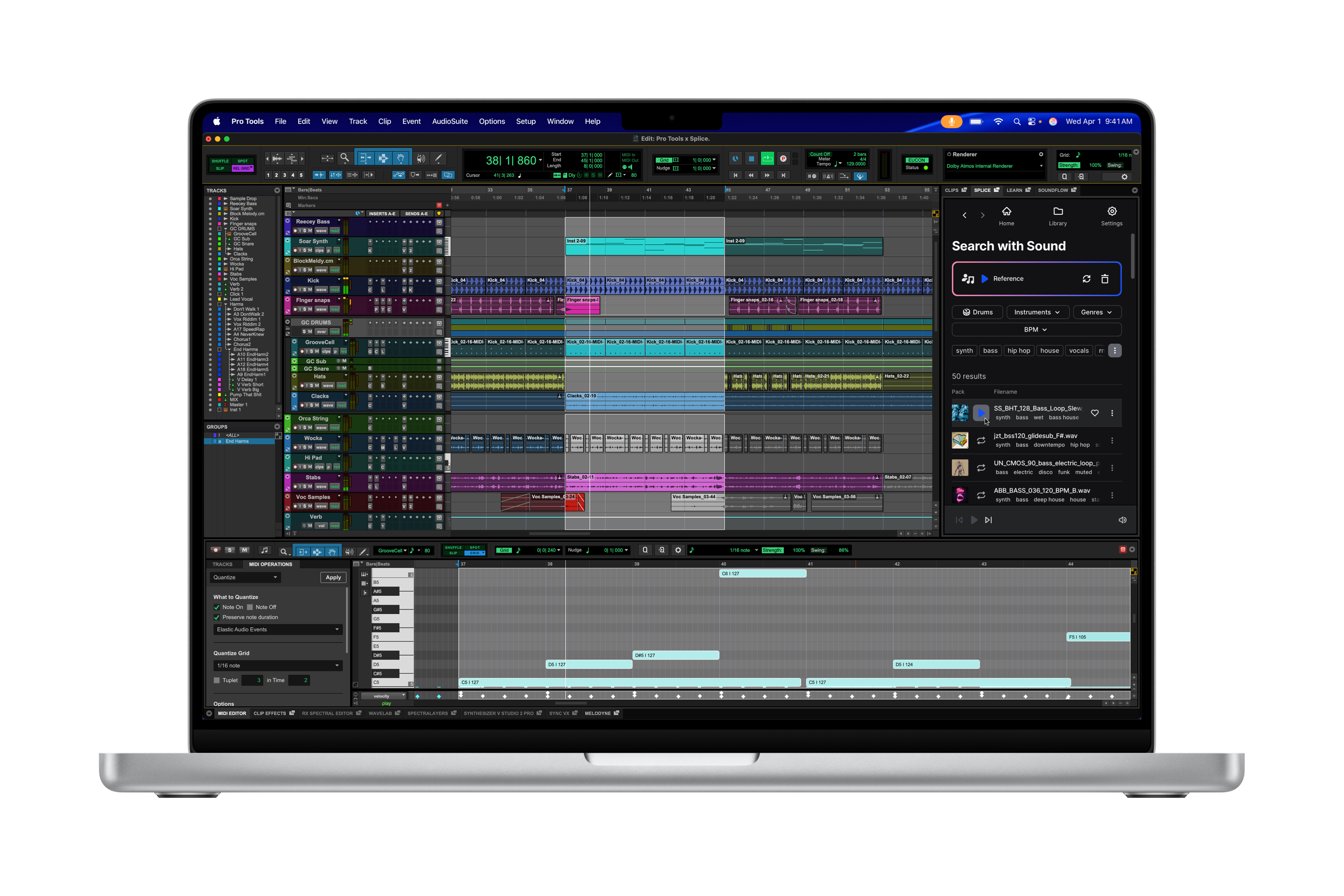
MacBook Pro with M5 Pro and M5 Max: the pro tier moves forward
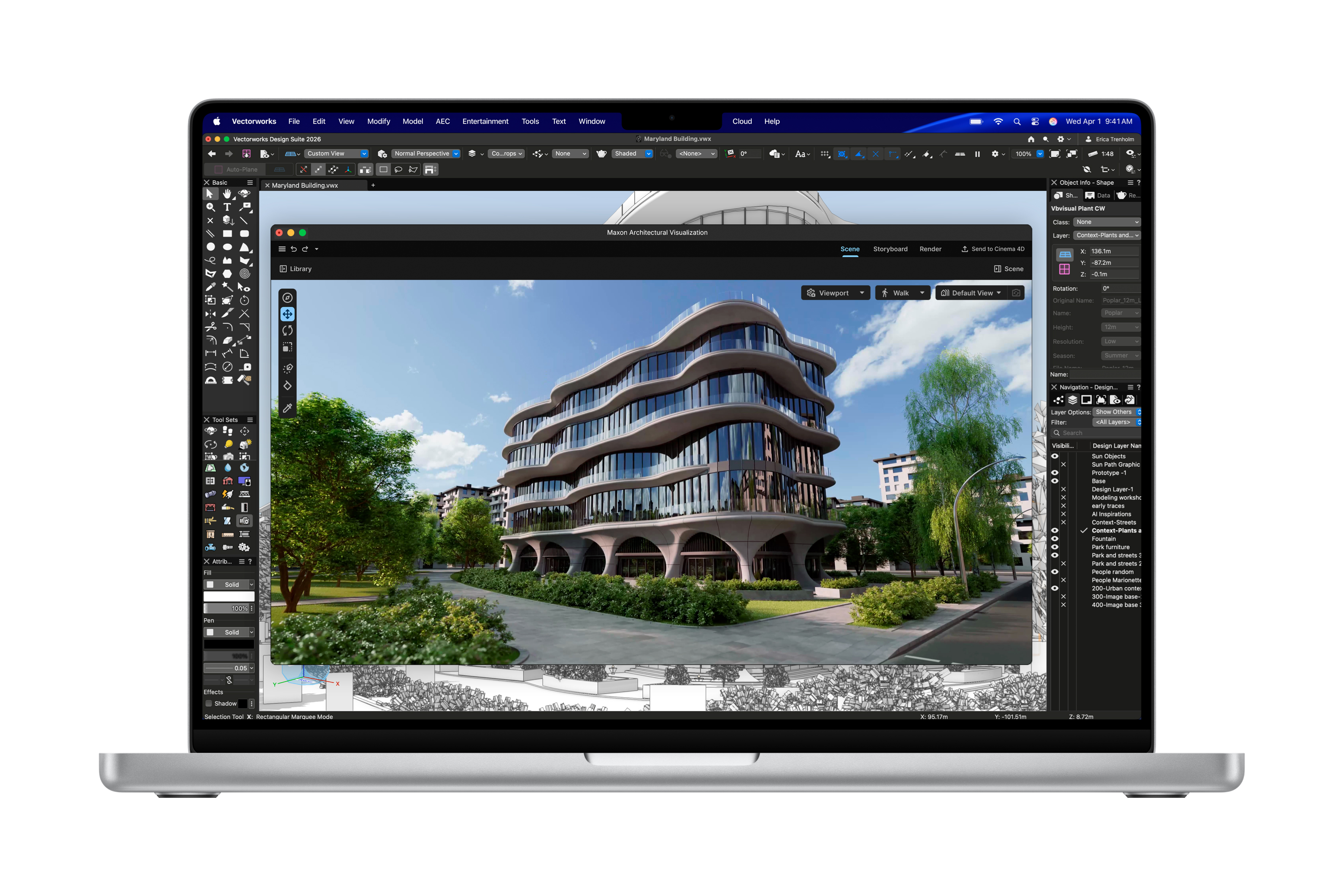
Apple’s new MacBook Pro release introduces both M5 Pro and M5 Max options in 14-inch and 16-inch models. The companion chip announcement frames these as the company’s most advanced chips for pro laptops, aimed at demanding workflows.
In practical terms, this is the tier intended for heavy compile/test loops, high-resolution video pipelines, complex photo and graphics sessions, and other sustained pro workloads.
Why this launch cycle is important
This is a notable release pattern because Apple updated both:
in the same announcement window.
That gives buyers a clearer segmentation:
Bottom line
Apple’s M5 announcement day looks like a full-stack Mac refresh moment rather than a single-device update. If you were waiting for a cleaner decision point between Air and Pro, this is one of the clearest in recent cycles
Copyright / Attribution
Product and brand assets referenced are © Apple Inc.
Used for editorial/commentary purposes. Trademarks belong to their respective owners.

